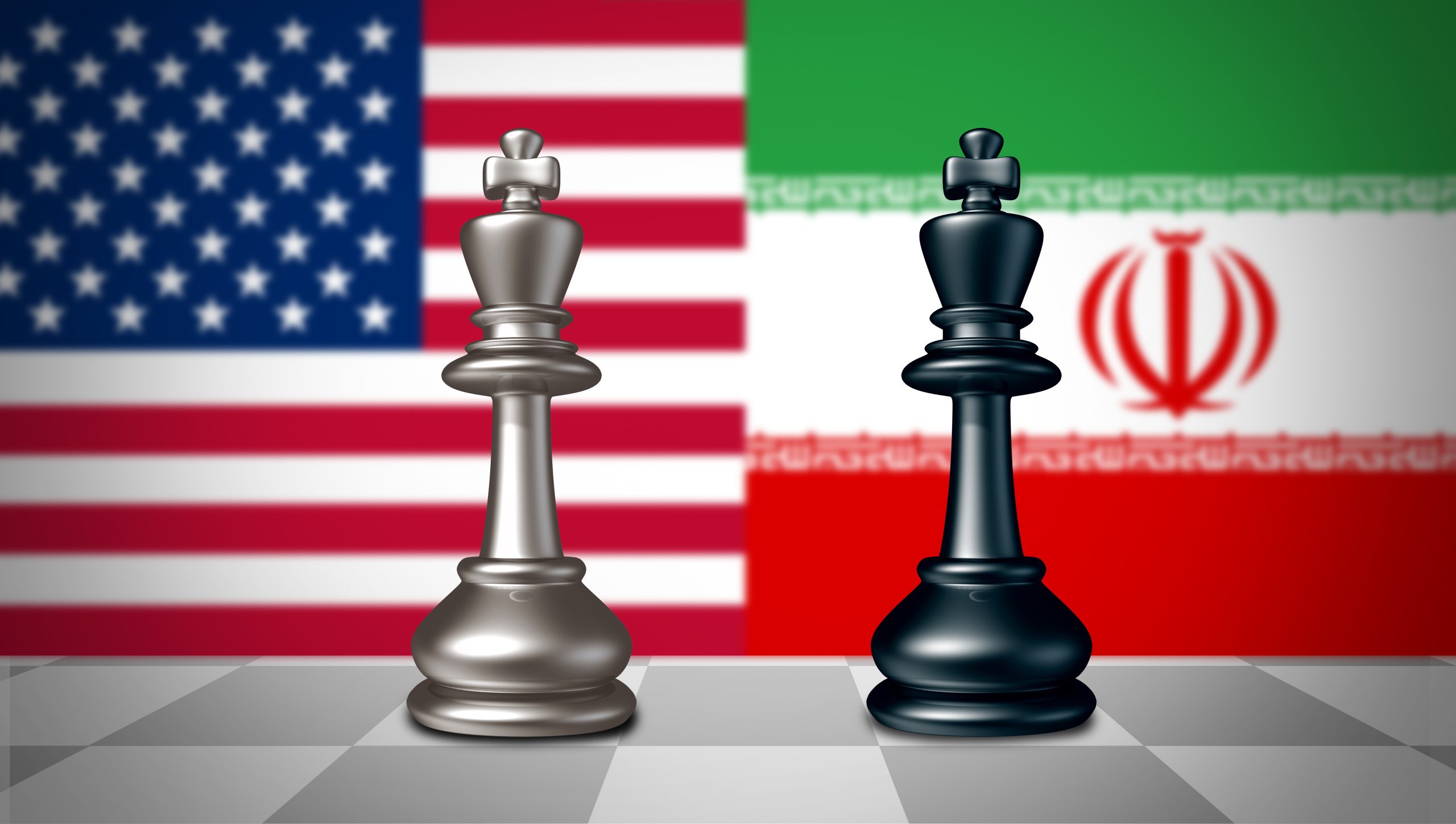
Tehran: The escalating tensions between the United States and Iran have emerged as one of the most critical geopolitical flashpoints of 2026, with global attention fixed on whether the crisis will end in a diplomatic breakthrough or spiral into open conflict. Despite ongoing negotiations, the situation remains highly volatile, shaped by shifting political positions, military posturing, and deep mistrust on both sides.

Talks Continue Amid Rising Pressure
Recent developments indicate that negotiations between Washington and Tehran are continuing through indirect channels mediated by regional actors such as Oman. However, diplomatic progress has repeatedly stalled due to disagreements over nuclear restrictions, sanctions relief, and regional security arrangements.
A key turning point came after the US administration, led by Donald Trump, reportedly pushed for significant revisions to a draft agreement prepared by American negotiators. The revised demands include stricter limits on Iran’s nuclear enrichment program, enhanced international monitoring of uranium stockpiles, and legally binding guarantees that Iran will not pursue nuclear weapons capability.
Hardening US Position
Washington’s updated stance also emphasizes unrestricted maritime access through strategic waterways and tighter constraints on Iran’s missile and regional military activities. US officials have underscored that any agreement must ensure long-term verification mechanisms and prevent future escalation.
At the same time, the Trump administration has signaled that military options remain on the table if diplomatic efforts fail, adding further pressure to already fragile negotiations.
Iran’s Red Lines
Tehran, meanwhile, continues to insist that its nuclear program is peaceful in nature and that it will not compromise on national sovereignty. Iranian officials are demanding a complete lifting of economic sanctions, the release of frozen assets, and recognition of its regional security role.
Iran has repeatedly rejected what it describes as “excessive” US demands, particularly those related to uranium enrichment limits and missile capabilities. These fundamental disagreements have led to repeated breakdowns in talks, although neither side has formally withdrawn from negotiations.
Strait of Hormuz: The Most Dangerous Flashpoint
At the heart of the crisis lies the strategic Strait of Hormuz, one of the world’s most critical oil transit routes. A large share of global crude exports passes through this narrow waterway, making it central to global energy security.
The United States insists on ensuring completely free and unhindered navigation through the strait, while Iran seeks recognition of its security role in the region. The dispute has heightened fears of naval confrontation, particularly after reports of a US military interception of a cargo vessel allegedly heading toward Iranian waters, an incident Tehran condemned as provocative.
Risk of Military Escalation
Although both sides appear cautious about entering a full-scale war, analysts warn that the risk of miscalculation remains high. Drone incidents, naval skirmishes, or accidental strikes could rapidly escalate the situation beyond diplomatic control.

Experts describe the current phase as a “no war, no peace” equilibrium, where diplomacy and deterrence operate simultaneously under extreme tension.
Regional and Global Stakes
The crisis has drawn in broader geopolitical players, including Israel, which views Iran’s nuclear program as a direct security threat. Additionally, countries like China and Russia maintain strategic ties with Tehran, potentially complicating any US-led diplomatic framework.
The conflict is no longer viewed as a bilateral issue but as part of a larger global power contest that could reshape international alliances and security architectures.
Economic Shockwaves for the World
The implications of a wider conflict extend far beyond the Middle East. Disruption in the Strait of Hormuz could sharply increase global oil prices, with estimates suggesting crude could surge to between $120 and $150 per barrel in a worst-case scenario.
Such a spike would significantly impact import-dependent economies like India, raising fuel costs, inflation, and trade deficits. Global supply chains, shipping insurance rates, and freight costs would also face severe pressure.
Financial markets are expected to react strongly, with volatility in equities and a possible flight toward safe-haven assets such as gold. Energy, defense, and logistics sectors could experience mixed effects depending on the trajectory of the crisis.
A Fragile Balance
Despite heightened tensions, diplomatic channels remain open, and both Washington and Tehran appear reluctant to commit to full-scale conflict due to its potentially catastrophic consequences. However, the lack of trust and rigid negotiating positions continue to hinder progress.
For now, the world remains in a precarious waiting phase—caught between the possibility of a historic agreement and the risk of a broader regional war.
As negotiations continue, the coming weeks will be critical in determining whether diplomacy can prevail or whether the crisis will enter a far more dangerous phase.